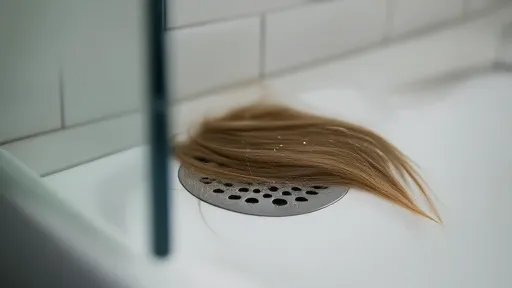
There is a quiet ritual performed in bathrooms across the world, one seldom discussed but universally understood: the daily clearing of hair from the shower drain. It is a small, almost meditative act of maintenance, a brief moment of care that stands between us and the dreaded clog. For many, it is as routine as brushing one’s teeth, yet its importance to household hygiene and plumbing health is profound, a simple defense against a much larger problem.
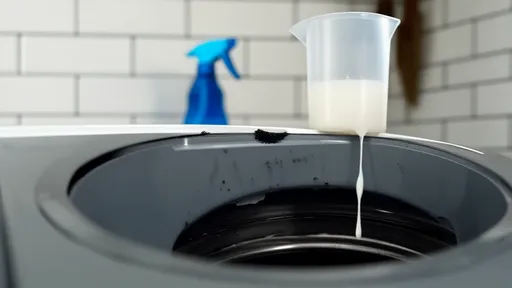
Hair, by its very nature, is a persistent foe. Each strand is coated in tiny, overlapping scales called cuticles, making it rough and ideal for tangling. When combined with soap scum, body oils, and the mineral deposits from hard water, it forms a tenacious net in our pipes. This net catches everything else that washes down—bits of skin, more soap, grime—and slowly, inexorably, builds a barrier that restricts water flow. What begins as a few stray strands can, in a shockingly short time, become a full-blown blockage, leading to standing water, unpleasant odors, and eventually, a call to an expensive plumber.
The most effective weapon against this slow-moving disaster is consistency. The notion of daily clearing is not about obsessive cleanliness; it is a pragmatic strategy. A small amount of hair, removed while still wet and fresh, is pliable and easy to extract. It has not yet had time to dry out, harden, and fuse with other debris into a solid, rock-like mass deep within the plumbing. This daily intervention is a minute of prevention that saves hours of cure and significant expense down the line.
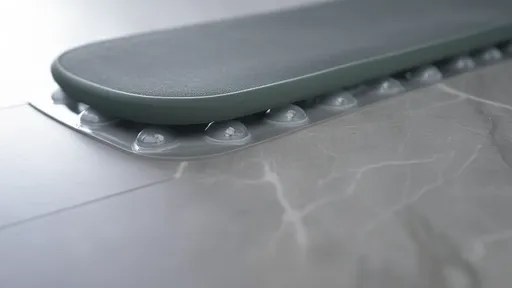
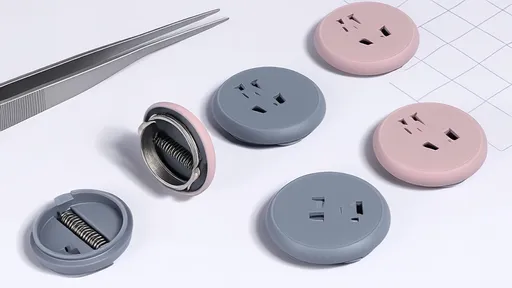
Fortunately, the tools for this task are simple, inexpensive, and require no chemical solutions that can harm both pipes and the environment. A classic, and perhaps the most common, tool is the humble drain strainer or catcher. These small, perforated covers sit over the drain hole, physically catching hair and larger particles before they can enter the pipes. After each shower, it is a simple matter to lift it, dispose of the collected hair, and give it a quick rinse. For those who find strainers cumbersome, a dedicated pair of tweezers or even a specially designed drain snake—a long, flexible tool with barbs—can be kept nearby to fish out any strands that slip past.
Beyond the practical benefits, this daily habit fosters a different relationship with our living spaces. It is a small act of stewardship, a conscious acknowledgment that a home requires ongoing, minor upkeep to function smoothly. Neglecting the drain is easy; the consequences are not immediately visible. But by taking ownership of this tiny task, we practice a form of mindfulness towards our environment. We become attuned to the small signals—a slightly slower drain, a few more strands than usual—allowing us to address issues before they escalate. This proactive mindset can extend to other areas of home maintenance, creating a more organized and less stressful domestic life.
From an environmental perspective, the habit is a clear win. Avoiding a severe clog means avoiding the use of harsh, chemical drain cleaners. These caustic solutions, often lye or acid-based, do not discriminate; they corrode pipes over time, especially older metal ones, leading to leaks and premature failure. Furthermore, they inevitably wash into the municipal water system, contributing to pollution. Mechanical removal, by contrast, is a zero-impact solution. It also conserves water. A partially clogged drain reduces water pressure, often prompting us to let the shower run longer to achieve the same rinsing effect, a waste of a precious resource.
For households with multiple occupants, particularly those with long hair, the daily clearing ritual becomes a non-negotiable tenet of communal living. It is a small courtesy, a way of ensuring that the next person to use the shower is not met with an ankle-deep pool of cold, dirty water. Making it a shared responsibility, perhaps as part of a closing ritual after one's shower, distributes the effort and reinforces a collective commitment to the home’s upkeep. It transforms a mundane chore into a small but meaningful act of consideration for others.
In the end, the daily clearing of shower drain hair is a metaphor for so many aspects of life. It is about the discipline of addressing small problems before they become big ones. It is about the cumulative power of minor, consistent actions. It is a physical manifestation of the principle that care and maintenance, however small, are preferable to neglect and eventual crisis. This simple, almost silent habit, performed in the steamy quiet of the shower, is a profound practice in responsibility, foresight, and care for our immediate environment.

By /Aug 26, 2025
By /Aug 26, 2025
By /Aug 26, 2025
By /Aug 26, 2025

By /Aug 26, 2025

By /Aug 26, 2025
By /Aug 26, 2025
By /Aug 26, 2025

By /Aug 26, 2025

By /Aug 26, 2025

By /Aug 26, 2025
By /Aug 26, 2025

By /Aug 26, 2025

By /Aug 26, 2025

By /Aug 26, 2025

By /Aug 26, 2025

By /Aug 26, 2025

By /Aug 26, 2025

By /Aug 26, 2025

By /Aug 26, 2025