Daily High-Temperature Washing of Pet Bowls

In households across the globe, the humble pet food bowl sits quietly in kitchens and utility rooms, often overlooked in daily cleaning routines. Yet this simple vessel plays a critical role in our pets' health and wellbeing. While most pet owners conscientiously provide fresh food and clean water daily, many remain unaware of the invisible threats lurking in their pets' dishes - bacteria, mold, and biofilm that can accumulate rapidly in food residue and moisture. The common practice of quick rinsing or occasional washing proves insufficient against these persistent contaminants.

Veterinary researchers and animal health specialists have increasingly turned their attention to this overlooked aspect of pet care. Studies conducted at several veterinary schools have revealed alarming bacterial counts in pet bowls, even those perceived as "clean" by their owners. The findings consistently demonstrate that standard cleaning methods fail to eliminate dangerous pathogens like Salmonella, E. coli, and Staphylococcus, which can thrive in the microscopic scratches and imperfections of plastic, ceramic, and stainless steel bowls.

The emerging gold standard in pet bowl hygiene involves a surprisingly simple yet highly effective method: daily sanitization through hot water washing at high temperatures. This process goes far beyond merely removing visible food particles. When water reaches temperatures between 70-80°C (158-176°F), it effectively kills most harmful microorganisms that threaten animal health. The thermal shock disrupts cellular structures of bacteria and dissolves biofilm matrices that protect microbial colonies.

Biofilm presents perhaps the greatest challenge in maintaining truly clean pet dishes. This slimy layer develops when bacteria secrete protective polymers that anchor them to surfaces, creating resilient communities that resist general cleaning. These microbial fortresses can harbor pathogens for weeks or months, continuously contaminating fresh food and water. The heat from thorough hot water washing breaks down these polymeric structures, dislodging the biofilm and exposing the bacteria to lethal temperatures.

Pet owners might wonder why soap and scrubbing cannot achieve the same results. While detergent helps remove grease and debris, many microorganisms survive chemical cleaning through various defense mechanisms. Some bacteria form resistant spores; others hide in microscopic surface imperfections. Hot water penetration reaches these hiding places, ensuring comprehensive sanitization. The combination of hot water and detergent proves most effective, as the heat enhances the cleaning power of soap while providing independent antimicrobial action.

The material composition of pet bowls significantly influences cleaning effectiveness. Plastic bowls, while inexpensive and lightweight, develop micro-abrasions over time that become breeding grounds for bacteria. Ceramic bowls with cracked glazes present similar problems. Even stainless steel, often touted as the most hygienic option, requires proper sanitization. High-temperature washing proves particularly crucial for porous materials or damaged surfaces where pathogens find protection.

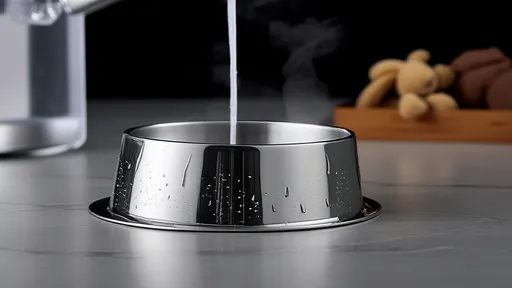
Implementing a daily high-temperature washing routine requires minimal effort but delivers maximum health benefits. The process involves pre-rinsing to remove food debris, followed by washing with detergent in water hot enough to produce steam. For optimal results, bowls should soak in hot water for several minutes before scrubbing and thorough rinsing. This simple addition to daily chores can prevent numerous health issues in companion animals.

The benefits of this practice extend beyond obvious bacterial reduction. Regular hot water washing eliminates food oils that become rancid, preventing digestive upset and maintaining food palatability. It prevents cross-contamination between different food types, particularly important for households feeding raw diets. The process also controls mold growth that can occur in moist environments, especially relevant for water bowls maintained throughout the day.

Pet professionals increasingly advocate for this elevated standard of bowl hygiene. Veterinary nutritionists note that clean bowls encourage better eating habits, as animals sensitive to off odors or tastes may reject contaminated food. Animal behaviorists have observed that some pets display food aversion not due to picky eating but because they associate certain bowls with gastrointestinal discomfort from previous meals eaten from improperly cleaned containers.

The timing of cleaning proves nearly as important as the method. Bowls should be washed immediately after meals rather than left for end-of-day cleaning. Food residue moistens and softens, making immediate cleaning more effective. Leaving bowls unwashed allows bacteria to multiply exponentially and food to dry into hardened deposits that require more effort to remove while providing additional protection for microorganisms.

Special consideration should be given to water bowls, which often receive less attention than food containers. Stagnant water develops bacterial contamination quickly, particularly in warm environments. The same high-temperature washing protocol should apply to water bowls, ideally with more frequent cleaning throughout the day. Automatic water dispensers require particular attention as their complex mechanisms can harbor biofilm in difficult-to-clean components.

Households with immunocompromised pets, whether from age, illness, or medical treatment, must adhere to strict bowl hygiene protocols. Animals with weakened immune systems face greater risk from pathogens that might not affect healthy animals. Similarly, homes with both humans and pets sharing spaces should maintain impeccable bowl cleanliness as some pet bowl contaminants can potentially affect human health, particularly young children or immunocompromised family members.

While the concept of daily hot water washing might seem excessive to some pet owners, the practice establishes patterns that become second nature over time. Integrating pet bowl washing with regular dish cleaning routines creates consistency. Many families find that washing pet bowls alongside human dishes ensures the same standard of cleanliness for all household members, furry or otherwise.

The investment in proper bowl maintenance extends beyond immediate health benefits. Veterinary expenses avoided through preventive care represent significant savings over a pet's lifetime. The emotional benefit of knowing one provides the highest standard of care brings peace of mind to conscientious pet owners. The simple act of thorough daily washing becomes an expression of commitment to animal wellbeing.

As research continues to evolve in pet care standards, the fundamental importance of cleanliness remains constant. The relationship between proper hygiene and animal health proves inseparable. Daily high-temperature washing of pet food and water bowls represents one of the simplest, most cost-effective methods of preventive healthcare available to pet owners worldwide. This small daily commitment yields immeasurable returns in companion animal health and longevity.
Recommend Posts
Health

Renewing the Desiccant in a Home First Aid Kit"

By /Aug 26, 2025

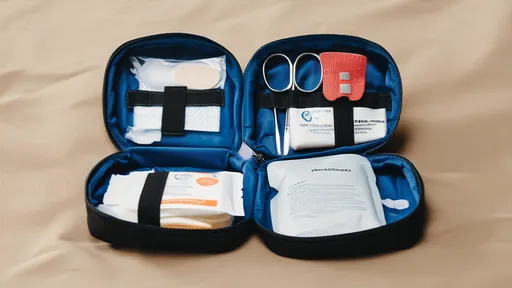
In the quiet corners of our homes, tucked away in closets or under bathroom sinks, rests a silent guardian of our well-being: the first aid kit. We assemble these kits with care, stocking them with bandages, antiseptics, and medications, believing we are prepared for minor emergencies. Yet, there is one component, often overlooked and quietly working in the background, that is crucial to the entire kit's integrity—the humble desiccant packet. These small, papery sachets, filled with moisture-absorbing material, are the unsung heroes preventing the degradation of our medical supplies. However, their effectiveness is not eternal, and understanding the critical importance of regularly updating these desiccants is a fundamental aspect of true preparedness.
Health

Replacement of Suction Cups for Anti-Slip Mats in Elderly Bathrooms

By /Aug 26, 2025

As we navigate the golden years of our lives, the safety and comfort of our living spaces become paramount. Among the many considerations for creating a secure home environment, the bathroom stands out as a particularly critical area. Slippery surfaces, combined with water and soap, create a hazardous combination that has led to countless accidents among the elderly population. While many safety measures exist, one of the most fundamental yet often overlooked aspects is the humble bath mat with suction cups—specifically, the maintenance and replacement of these crucial components.
Health

Daily High-Temperature Washing of Pet Bowls

By /Aug 26, 2025

In households across the globe, the humble pet food bowl sits quietly in kitchens and utility rooms, often overlooked in daily cleaning routines. Yet this simple vessel plays a critical role in our pets' health and wellbeing. While most pet owners conscientiously provide fresh food and clean water daily, many remain unaware of the invisible threats lurking in their pets' dishes - bacteria, mold, and biofilm that can accumulate rapidly in food residue and moisture. The common practice of quick rinsing or occasional washing proves insufficient against these persistent contaminants.
Health

Vinegar Spot Treatment for Washing Machine Rubber Ring Mould

By /Aug 26, 2025

There is nothing more frustrating than pulling a fresh load of laundry from your washing machine only to be greeted by the faint, musty smell of mildew. Peek inside, and you might find the culprit: a ring of black or greenish speckles staining the rubber door gasket. These mold spots are not just an eyesore; they are a sign of a damp environment where mold and mildew thrive, potentially transferring onto your clothes and even affecting your indoor air quality. While commercial cleaners promise a quick fix, many households are turning to a simpler, more natural solution hiding in the pantry: white vinegar.
Health

Anti-Theft Screws for Children's Toy Battery Compartments

By /Aug 26, 2025

In the realm of child safety and product design, one seemingly minor component has garnered significant attention from manufacturers, parents, and regulatory bodies alike: the humble battery compartment security screw. These specialized fasteners, often requiring unique drivers not commonly found in household toolkits, represent a critical line of defense in the ongoing effort to protect curious young children from the hidden dangers within their toys.
Health

Ventilation Gap for Mattress Head Against the Wall

By /Aug 26, 2025

In the quiet corners of bedroom design, where comfort meets construction, there exists an often overlooked yet profoundly important element: the gap between the head of a mattress and the wall. This narrow space, sometimes dismissed as a mere byproduct of room dimensions or furniture placement, holds within it a story of health, longevity, and the subtle science of sleep environments. It is not merely an empty void but a critical channel, a silent guardian of your nightly repose.
Health

Regular Tightness Inspection of Child Safety Covers for Electrical Outlets

By /Aug 26, 2025

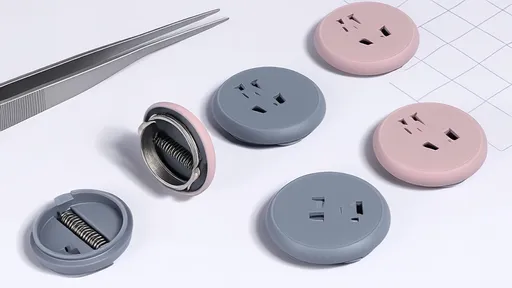
As parents and caregivers, we often invest in numerous safety products to childproof our homes, and among the most common are outlet covers or plugs. These small, seemingly simple devices play a crucial role in protecting curious little fingers from electrical hazards. However, what many might not realize is that installing them is only half the battle. The ongoing maintenance, specifically the regular checking of their tightness and integrity, is equally vital to ensure they continue to provide the protection we rely on them for.
Health

Daily Habit of Cleaning Hair in Shower Drain

By /Aug 26, 2025

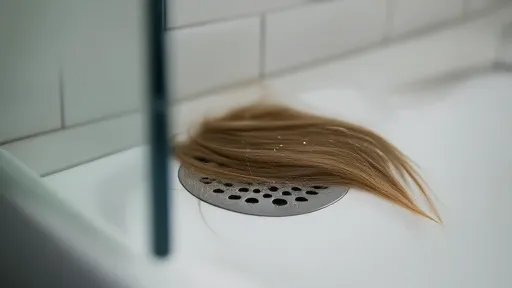
There is a quiet ritual performed in bathrooms across the world, one seldom discussed but universally understood: the daily clearing of hair from the shower drain. It is a small, almost meditative act of maintenance, a brief moment of care that stands between us and the dreaded clog. For many, it is as routine as brushing one’s teeth, yet its importance to household hygiene and plumbing health is profound, a simple defense against a much larger problem.
Health

Color-Coded System for Separating Kitchen Knives and Cutting Boards for Raw and Cooked Foods

By /Aug 26, 2025

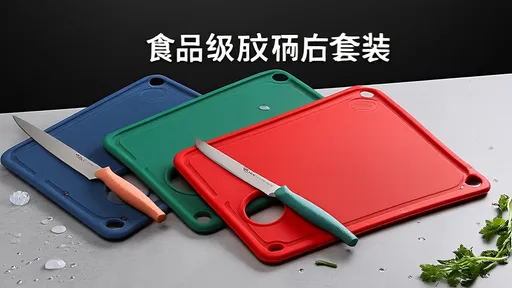
In kitchens around the world, a quiet revolution has been taking place, one that marries food safety with intuitive design. The color-coded system for knives and cutting boards, though seemingly simple, represents a significant leap in preventing cross-contamination and promoting hygienic food preparation practices. This system, which assigns specific colors to different types of food products, has become a standard in professional kitchens and is increasingly adopted in home settings. Its brilliance lies in its simplicity and universal understandability, transcending language barriers and culinary expertise levels.
Health

Frequency of Alcohol Wiping for Refrigerator Door Seals

By /Aug 26, 2025

Maintaining a clean and functional refrigerator is a cornerstone of household management, yet one of the most frequently overlooked components is the humble door seal, or gasket. This flexible strip of rubber or plastic is the primary barrier between the cool, climate-controlled interior of your appliance and the warm, humid air of your kitchen. Its integrity is paramount for energy efficiency and food preservation. A common and effective method for cleaning these seals involves the use of isopropyl alcohol, but the question of how often to employ this technique is not a one-size-fits-all matter. It requires a nuanced understanding of your environment, usage patterns, and the specific challenges your appliance faces.
Health

Monochrome Visual Break for Distraction at Work

By /Aug 26, 2025

In the bustling rhythm of modern work environments, where screens flicker with endless notifications and the mind is pulled in multiple directions, the concept of taking a break has evolved beyond mere physical respite. One emerging practice, known as monochromatic visual rest, offers a unique approach to combating distraction and mental fatigue. This technique involves immersing oneself in a single color or a simplified visual field to provide the eyes and brain a moment of calm amidst the chaos. It is not about closing one’s eyes or stepping away entirely, but rather about redirecting visual attention to something soothing and undemanding.
Health

Tactile Focus on Desktop Textures During Anxiety

By /Aug 26, 2025

In the quiet moments of overwhelming anxiety, when thoughts race and the world seems to spin just a little too fast, many find themselves unconsciously tracing the patterns on their desks. The subtle grooves of wood grain, the cool smoothness of polished glass, or the textured bumps of a laminate surface—these tactile experiences are not merely distractions. They are, in fact, a powerful, underutilized tool for grounding oneself in the present moment. This phenomenon, which we might call tactile focus or sensory anchoring, taps into the fundamental ways our brains process stress and sensory information. It’s a return to the physical, a momentary retreat from the chaos of the mind into the simple, verifiable reality of touch.
Health

Specific Taste Stimulation During Low Mood

By /Aug 26, 2025

It was one of those bleak Tuesday afternoons when the rain seemed to mirror the internal weather of my soul. I found myself mechanically opening the kitchen cabinet, my fingers instinctively bypassing the Earl Grey and chamomile, reaching instead for the darkest cocoa powder I owned. As the rich, bitter chocolate aroma filled the small apartment, something peculiar happened—a subtle shift in my emotional landscape that science is only beginning to understand.
Health

Nonverbal Pause Signals Between Parents and Children

By /Aug 26, 2025

In the intricate dance of parent-child communication, words often take center stage, but beneath the spoken dialogue lies a rich, unspoken language of pauses and silences. These nonverbal cues, the hesitations, the breaths held, the moments where words fail, form a critical undercurrent in the relationship. They are not merely empty spaces in conversation; they are potent signals, brimming with emotion, intention, and unarticulated thought. Understanding this silent lexicon is paramount for fostering deeper connection and emotional intelligence within the family unit.
Health

24-Hour Cooling-Off Period for Workplace Negative Reviews"

By /Aug 26, 2025

In today's fast-paced corporate environments, emotions can run high when feedback turns critical. The concept of a 24-hour cooling-off period has emerged as a transformative practice for handling negative workplace evaluations. This approach isn't about suppressing reactions but creating space for constructive processing.
Health

Three Things to Do Tomorrow Before Bed"

By /Aug 26, 2025

In the quiet moments before sleep claims the day, a simple ritual is gaining traction among those seeking clarity and purpose: the practice of writing a "Three for Tomorrow" note. This deceptively straightforward habit involves jotting down three specific, actionable items to accomplish the following day. Unlike sprawling to-do lists that often induce more anxiety than productivity, this minimalist approach focuses on intentionality, creating a roadmap for the next day that is both manageable and meaningful. The practice serves as a mental offload, a way to park tomorrow's priorities so the mind can truly rest, unburdened by the swirling thoughts of what needs to be done.
Health

Efficient and Stress-Free Dialogue with Couriers

By /Aug 26, 2025

In the bustling corridors of modern commerce, where time is currency and efficiency is king, the humble delivery driver has become an unsung hero of our daily lives. Yet, the interactions we share with these vital service providers are often rushed, transactional, and devoid of the human connection that could transform a simple exchange into a moment of mutual respect and ease. Crafting a conversation that is both efficient and stress-free is not merely a matter of politeness; it is an art that benefits both parties, ensuring smooth operations and fostering a positive environment.
Health

Daily Outfit Planning in Advance

By /Aug 26, 2025

In the quiet moments before the day begins, a ritual unfolds in bedrooms and walk-in closets across the world. It is a silent, personal ceremony of selection—a daily exercise in identity expression that, for many, feels more like a chore than a choice. The act of getting dressed, often relegated to a last-minute scramble, holds untapped potential as a strategic tool for personal and professional advancement. What if this daily decision could be transformed from a source of stress into a streamlined system of self-assurance?
Health

Cold Water Wrist Stimulation for Emotional Fluctuations

By /Aug 26, 2025

In the whirlwind of modern life, emotional turbulence has become a familiar companion to many. From the sharp sting of anxiety to the heavy weight of frustration, these intense feelings can feel overwhelming, leaving individuals searching for quick, accessible methods to regain their equilibrium. Amidst a sea of complex psychological techniques and pharmaceutical interventions, a strikingly simple and ancient practice has resurfaced in wellness conversations: the application of cold water to the wrists. This method, often whispered about in online forums and recommended by therapists, is gaining traction not as a cure-all, but as a potent tool for immediate emotional regulation.
Health

Regular Zeroing of App Icon Red Dot Counts

By /Aug 26, 2025

In the digital landscape where attention is the most valuable currency, the persistent red notification dot has become both a beacon of engagement and a source of anxiety. These tiny crimson circles, omnipresent on application icons across smartphones and desktops, serve as silent heralds of updates, messages, or unfinished tasks. Their power lies in their simplicity—a visual nudge that triggers our innate curiosity and, often, an irresistible compulsion to clear them. Yet, as these dots accumulate, they transform from helpful reminders into digital clutter, contributing to what many now recognize as notification fatigue.