In the quiet corners of bedroom design, where comfort meets construction, there exists an often overlooked yet profoundly important element: the gap between the head of a mattress and the wall. This narrow space, sometimes dismissed as a mere byproduct of room dimensions or furniture placement, holds within it a story of health, longevity, and the subtle science of sleep environments. It is not merely an empty void but a critical channel, a silent guardian of your nightly repose.
For generations, the primary focus when selecting a mattress has centered on firmness, material, and support. Consumers spend hours researching coils, memory foam, latex, and hybrid designs, all in the pursuit of the perfect night's sleep. They consider thread counts for sheets and blackout capabilities for curtains. Yet, the simple act of pulling the bed a few inches away from the wall is frequently forgotten, an afterthought in the grand scheme of bedroom feng shui. This neglect, however, can have tangible consequences. The space behind the bed is not wasted; it is invested. It serves as a vital conduit for air, allowing the mattress to breathe and perform its function optimally, night after night.
The human body is not a passive sleeper. Throughout the night, it perspires, releasing moisture into the immediate environment. A significant portion of this moisture is absorbed by the mattress itself. In a perfectly sealed environment—such as a mattress pushed flush against a wall—this moisture becomes trapped. It has nowhere to go. Over time, this accumulated dampness creates a breeding ground for unwanted guests: mold and mildew. These fungi thrive in dark, stagnant, and humid conditions. The interior of a mattress, especially one that never gets a chance to dry out, provides an ideal incubator.
The health implications of a moldy mattress are not to be taken lightly. For individuals with allergies, asthma, or other respiratory sensitivities, sleeping on such a surface can trigger significant problems. Spores released into the air can cause congestion, coughing, wheezing, and skin irritations. Even for those without pre-existing conditions, prolonged exposure to a damp sleep environment is far from ideal. It undermines the very purpose of a bed: to be a sanctuary of rest and rejuvenation. Allowing for a ventilation gap is a simple, non-negotiable step in preventing this microbial takeover and protecting your health.
Beyond the battle against moisture, this间隙 plays another crucial role: temperature regulation. Modern mattresses, particularly those with memory foam, are designed to react to body heat. They soften to contour to your shape, providing exceptional pressure relief. This process, however, also means they can retain heat. A mattress that is too warm can lead to restless, interrupted sleep. A small air gap behind the head of the bed facilitates passive airflow. It allows warmer air trapped around the sleeper's upper body to dissipate and be replaced by cooler room air. This constant, gentle exchange acts as a natural climate control system, working in tandem with your bedding to maintain a comfortable sleeping temperature throughout the night.
The benefits of this practice extend to the preservation of your investment. A mattress is a significant purchase, one expected to last a decade or more. Its longevity is directly tied to how well it is cared for. A mattress that is perpetually damp will break down faster. The internal materials can degrade, springs may corrode, and foam can lose its resilience. This not only shortens the mattress's useful life but also diminishes its supportive qualities over time, potentially leading to back pain and discomfort. Ensuring proper ventilation is one of the easiest and most effective forms of maintenance. It requires no special tools or effort—just a few inches of awareness. It is the difference between a mattress that sags after five years and one that provides consistent support for its entire intended lifespan.
Addressing the gap also has implications for air quality within the bedroom itself. A room needs to breathe just as a mattress does. Stagnant air pockets, especially behind large furniture pieces like beds, can contribute to a stuffy atmosphere and the accumulation of dust. By creating a clear path for air to circulate behind the bed, you encourage a broader movement of air throughout the room. This helps prevent dust from settling in one place and promotes a fresher, cleaner overall environment. It makes the entire room feel more alive and less stagnant, contributing to a more inviting and health-conscious sleep space.
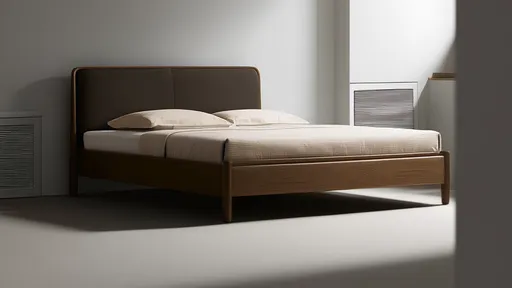
Implementing this strategy requires minimal effort. The ideal gap is typically between two to six inches. This is enough space to allow for effective airflow without making the bed look awkwardly disconnected from the wall or creating a void that becomes a trap for lost socks and charging cables. For those concerned about aesthetics, this small gap is often easily concealed with a headboard or can be incorporated into the room's design. The key is consistency; this gap should be maintained on all sides of the mattress that are against a wall, not just at the head. It is a holistic approach to mattress care.
In conclusion, the humble gap between the mattress head and the wall is a testament to the idea that the smallest details often have the greatest impact. It is a powerful, simple, and cost-free intervention that safeguards health, enhances comfort, regulates temperature, and protects a valuable investment. It is a silent partner in the quest for perfect sleep, a narrow channel of air that carries away the problems of the night and invites in renewal. In the architecture of rest, this space is not empty; it is essential. It is the breath of the bedroom.

By /Aug 26, 2025
By /Aug 26, 2025

By /Aug 26, 2025

By /Aug 26, 2025

By /Aug 26, 2025
By /Aug 26, 2025
By /Aug 26, 2025

By /Aug 26, 2025

By /Aug 26, 2025

By /Aug 26, 2025

By /Aug 26, 2025

By /Aug 26, 2025

By /Aug 26, 2025

By /Aug 26, 2025

By /Aug 26, 2025

By /Aug 26, 2025

By /Aug 26, 2025

By /Aug 26, 2025

By /Aug 26, 2025

By /Aug 26, 2025