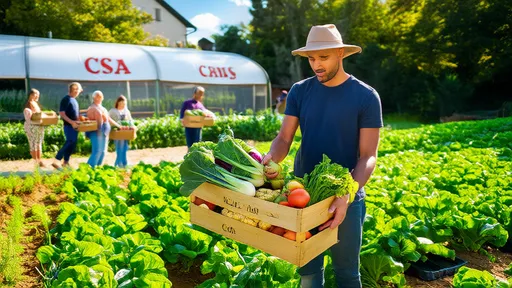
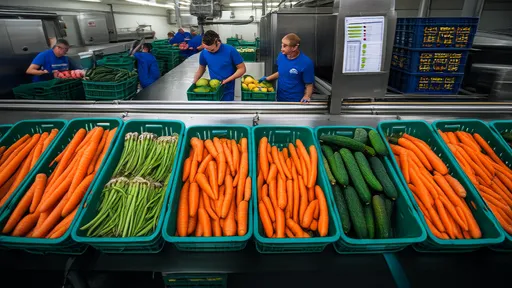
In the quiet predawn hours, while most households still slumber, a different kind of rhythm pulses through the heart of Community Supported Agriculture. Farmers move with practiced efficiency under the stark glow of warehouse lights, their hands swiftly sorting just-picked carrots, bundling vibrant kale, and carefully nestling fragile eggs into cartons. This weekly ritual, repeated across thousands of farms, forms the backbone of a movement that promised to redefine our relationship with food. The CSA model emerged as a beacon of agricultural idealism—a direct partnership between grower and eater that promised freshness, transparency, and sustainability. Yet behind the crates of radiant produce lies a complex web of challenges that threaten the very foundations of this beloved system.
The romantic ideal of community-supported agriculture often collides with the stark realities of small-scale farming. Members sign up in spring, captivated by visions of overflowing baskets of perfect tomatoes and crisp greens, but few truly comprehend the immense gamble farmers take with each planting. Unlike traditional retail operations where risk is distributed across global supply chains, CSA farmers bear the full brunt of nature's unpredictability. A week of torrential rains during pollination can decimate the squash harvest. An unexpected frost in May might wipe out the entire tomato crop. While conventional supermarkets would simply source from another region, the CSA farmer must face their community with half-empty boxes and disappointed members. This vulnerability creates constant financial pressure that many operations struggle to withstand year after year.
Member retention poses another significant challenge that many CSA programs grapple with silently. The initial enthusiasm that brings households to sign up often wanes as the season progresses and the reality of weekly pickups sets in. Life gets busy, vacations happen, and sometimes people simply grow tired of yet another bunch of kale. This "vegetable fatigue" is more than just an inconvenience—it represents a fundamental mismatch between the steady output of a farm and the variable desires of modern consumers. Unlike grocery shopping where choice reigns supreme, CSA members surrender their selection to the season's offerings. This requires both culinary creativity and a philosophical commitment to eating what the land provides, qualities that not all consumers possess in our era of endless food options.
The logistical complexities of running a CSA would stagger most outside observers. Unlike wholesale farming where produce moves in pallet-sized quantities to few locations, CSA operations must assemble hundreds of individualized shares each week and coordinate distribution across multiple pickup sites. Each basket represents a custom assembly job requiring careful attention to portion sizes, variety, and fragility of items. The transportation logistics alone would challenge a seasoned operations manager—maintaining proper temperatures during transit, ensuring timely arrivals at dispersed locations, and managing the flow of members during pickup windows. These operational demands often fall to farmers whose expertise lies in soil health and plant physiology, not supply chain management and customer service protocols.
Financial sustainability remains perhaps the most pressing concern. Setting membership fees requires navigating a delicate balance between covering true production costs and remaining accessible to community members. Many farmers, passionate about food justice and community access, price their shares below what the market would actually bear. This well-intentioned practice often leads to chronic undercapitalization that prevents investment in labor-saving equipment or professional management systems. The seasonal nature of payments—with most revenue arriving in spring—creates cash flow challenges during the critical planting months when expenses mount rapidly. Without access to traditional financing options that favor consistent revenue streams, many CSA operations operate on a financial knife's edge.
Despite these significant challenges, innovative farmers are developing creative strategies to reinvigorate the CSA model. Some operations have moved beyond the traditional weekly box to offer more flexible membership options. Customizable shares allow members to select items that match their preferences and dietary needs, reducing food waste and increasing satisfaction. Others have introduced rollover credits for missed weeks or vacation holds that accommodate modern lifestyles without compromising the farm's financial stability. These adaptations acknowledge that while the core values of community support remain vital, the practical implementation must evolve with changing consumer expectations.
Technology integration represents another promising frontier for CSA operations. Modern software solutions now exist specifically for small farms managing community shares. These platforms handle everything from member communications and payment processing to harvest planning and distribution logistics. Some forward-thinking farms have developed mobile applications that allow members to customize their boxes, swap items they don't want, and access cooking suggestions for unfamiliar vegetables. This technological layer reduces administrative burdens on farmers while enhancing the member experience through greater convenience and engagement.
Educational components have emerged as powerful tools for strengthening the farmer-member relationship. Farms that invest in regular newsletters with cooking tips, recipes, and stories about what's happening in the fields report higher member retention and satisfaction. Some host seasonal farm dinners or offer optional workshops on preservation techniques like canning and fermenting. These initiatives transform the transaction from simple produce provision to a richer educational exchange that helps members develop deeper connections to their food and the land it comes from. This added value helps justify the premium prices that sustainable farming requires.
Diversification of revenue streams offers another path toward financial resilience. Many successful CSAs now complement their core vegetable shares with value-added products like preserves, fermented vegetables, and baked goods. Others have developed parallel wholesale relationships with local restaurants or retailers that can absorb surplus production. Some farms have created tiered pricing structures that include "solidarity shares" where wealthier members subsidize reduced-cost shares for low-income families. This approach maintains commitment to accessibility while creating a more sustainable financial model.
The future of Community Supported Agriculture may lie in reimagining what "community support" truly means. It's evolving from a simple transactional relationship into a more holistic partnership where members understand themselves as active participants in the food system rather than passive consumers. This shift in perspective transforms the challenges of seasonality and variability from drawbacks into valued features of eating in rhythm with nature. When members celebrate the first tender asparagus of spring or patiently await the ripening of the fall tomatoes, they're not just receiving food—they're participating in the ancient dance of the seasons.
This renewed vision for CSA requires farmers to become not just growers but educators and community organizers. It asks members to embrace not just the bounty but the limitations of their local landscape. The breakthrough comes when both parties recognize that they're co-creating something more valuable than perfect produce—they're building a resilient local food culture that can withstand the uncertainties of our changing world. The boxes of vegetables become merely the tangible manifestation of this deeper exchange of value between land and community.
As the sun rises over fields dotted with farmers tending their crops, the true potential of community-supported agriculture comes into focus. It was never just about distributing vegetables efficiently. At its heart, the CSA model represents a radical act of faith—in the land, in each other, and in the possibility of building food systems rooted in mutual care rather than anonymous transaction. The operational challenges are real and significant, but the creative responses emerging from farms across the country suggest that this decades-old model still has remarkable relevance—if we're willing to adapt its form while preserving its soul.

By /Aug 29, 2025

By /Aug 29, 2025

By /Aug 29, 2025

By /Aug 29, 2025

By /Aug 29, 2025

By /Aug 29, 2025

By /Aug 29, 2025

By /Aug 29, 2025
By /Aug 29, 2025
By /Aug 29, 2025

By /Aug 29, 2025

By /Aug 29, 2025

By /Aug 29, 2025

By /Aug 29, 2025

By /Aug 29, 2025

By /Aug 29, 2025

By /Aug 29, 2025

By /Aug 29, 2025

By /Aug 29, 2025

By /Aug 29, 2025