In the world of modern cooking appliances, pressure cookers stand as a remarkable innovation that has transformed kitchen efficiency and culinary outcomes. At the heart of their functionality lies a fundamental scientific principle: the relationship between temperature and pressure in saturated steam. This dynamic is not merely a topic for physicists or engineers; it directly impacts how home cooks and professional chefs achieve consistent, flavorful, and nutrient-rich results in significantly reduced time. Understanding this core mechanism reveals why pressure cookers have earned their place as indispensable tools in kitchens worldwide.
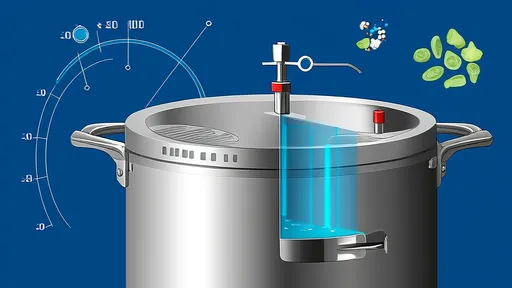
The science begins with water’s behavior under pressure. In an open pot, water boils at 100°C (212°F) at standard atmospheric pressure. However, inside a sealed pressure cooker, as heat is applied, water turns to steam but cannot escape. This trapped steam increases the internal pressure, which in turn raises the boiling point of water. For instance, at a pressure of 15 psi (pounds per square inch) above atmospheric pressure, the boiling point jumps to approximately 121°C (250°F). This elevated temperature is the key to the cooker’s efficiency, as higher temperatures significantly accelerate chemical reactions involved in cooking, such as the breakdown of fibers in meats and vegetables, gelatinization of starches, and denaturation of proteins.
The precise correlation between temperature and pressure in saturated steam is well-documented and predictable, governed by the properties of water and steam. This relationship is often represented in steam tables used by engineers, which detail how pressure increases correspond to specific temperature rises. In the context of pressure cooking, this means that by controlling the pressure—typically through a weighted or spring-loaded valve—cooks can effectively control the cooking temperature. Modern electric pressure cookers often include digital controls that allow users to select precise pressure levels, making this sophisticated science accessible and user-friendly.
This elevated thermal environment does more than just speed up cooking; it enhances the entire culinary process. Foods that traditionally require long, slow cooking to break down tough connective tissues, like certain cuts of meat or legumes, can be prepared in a fraction of the time. A pot roast that might simmer for four hours can be fork-tender in under an hour. Beans, which often need overnight soaking and lengthy boiling, can be ready in less than 30 minutes. This time saving is a direct result of the higher energy transfer at increased temperatures, making pressure cookers particularly valuable for busy households seeking nutritious, home-cooked meals without spending hours in the kitchen.
Beyond speed, the high-pressure, high-temperature environment profoundly affects food quality and nutrition. The sealed environment minimizes the evaporation of water and volatile compounds, meaning flavors and aromas are retained within the pot rather than being lost to the air. This often results in more intensely flavored dishes. Additionally, because cooking times are reduced, heat-sensitive vitamins, such as vitamin C and some B vitamins, which can be degraded during prolonged boiling, are better preserved. This makes pressure cooking not only a time-saver but also a method that can contribute to more nutritious meals.
However, harnessing this power requires an understanding of the equipment. Different models operate at different standard pressures, most commonly 12 psi or 15 psi. A small difference in pressure can mean a several-degree difference in temperature, which can affect cooking times. Recipes are often developed for a specific pressure, and adjustments may be needed if your cooker operates at a different level. Furthermore, altitude affects atmospheric pressure, which means the starting point for these calculations changes depending on your location. Cookers at high altitudes may need to achieve a slightly higher gauge pressure to reach the same effective cooking temperature as at sea level.
The safety mechanisms integrated into modern pressure cookers are designed precisely around this temperature-pressure relationship. Relief valves, locking lids, and backup systems ensure that pressure cannot build to dangerous levels. These features allow the cooker to maintain a stable, high-temperature environment safely, giving users confidence to explore its capabilities. This robust safety design has been a critical factor in the resurgence of pressure cookers' popularity, moving past older generations' fears of noisy, intimidating appliances.
In conclusion, the synergy between saturated steam pressure and temperature is the engine of the pressure cooker’s remarkable efficiency. It is a perfect application of basic thermodynamics to solve a everyday challenge: cooking food faster while often making it tastier and more nutritious. From tenderizing tough ingredients to preserving delicate flavors and vitamins, the controlled, high-heat environment is a powerful culinary tool. As technology continues to advance, making these devices even smarter and more intuitive, the fundamental science remains the same, continuing to offer a compelling blend of speed, convenience, and quality for cooks everywhere.
By /Aug 29, 2025

By /Aug 29, 2025

By /Aug 29, 2025

By /Aug 29, 2025
By /Aug 29, 2025
By /Aug 29, 2025

By /Aug 29, 2025

By /Aug 29, 2025

By /Aug 29, 2025
By /Aug 29, 2025

By /Aug 29, 2025
By /Aug 29, 2025
By /Aug 29, 2025
By /Aug 29, 2025
By /Aug 29, 2025
By /Aug 29, 2025
By /Aug 29, 2025
By /Aug 29, 2025

By /Aug 29, 2025
By /Aug 29, 2025