The landscape of snacking is undergoing a profound transformation, shifting from mere indulgence to a purposeful act of nourishment. The rise of snackification, where traditional meals are replaced by convenient, nutrient-dense alternatives, has propelled products like nutrition bars and shakes into the spotlight. No longer just for athletes or dieters, these items are now staples for busy professionals, health-conscious millennials, and anyone seeking a quick yet balanced intake. This trend reflects a broader cultural move towards efficiency without compromise—where food must deliver both convenience and wellness, aligning with modern lifestyles that prioritize time and health equally.
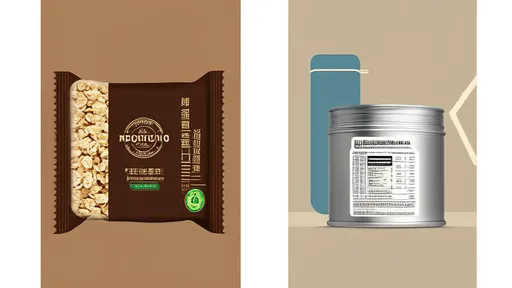
At the heart of this evolution lies a meticulous product design logic, tailored to meet the nuanced demands of today's consumers. Nutrition bars, for instance, have evolved from simple energy boosters to sophisticated mini-meals. Their design begins with a deep understanding of target demographics: a office worker might seek sustained energy and mental clarity, while a fitness enthusiast may prioritize protein content and muscle recovery. Formulators balance macronutrients—proteins, fats, and carbohydrates—to create satiety and avoid sugar spikes, often incorporating fiber for digestive health. Texture and flavor play crucial roles too; a bar must be palatable without relying excessively on sugars or artificial additives. Ingredients like nuts, seeds, and whole grains provide crunch and natural sweetness, while superfoods such as chia seeds or matcha add a health halo. Packaging is equally critical, designed for portability and freshness, often with eco-friendly materials to appeal to sustainability-minded buyers.
Similarly, meal replacement shakes embody a liquid approach to convenience nutrition. Their design logic centers on bioavailability and ease of consumption—nutrients must be quickly absorbed and gentle on the stomach. Protein sources like whey, pea, or brown rice are selected based on dietary preferences (e.g., vegan or lactose-free), while vitamins and minerals are fortified to mimic a complete meal. Flavor innovation is paramount here; masking the often-chalky taste of protein powders requires advanced food science, using natural sweeteners like stevia or monk fruit and flavors derived from real fruits and cocoa. The texture must be smooth and creamy, achievable through emulsifiers and processing techniques that prevent separation. Convenience is king: ready-to-drink bottles cater to on-the-go consumption, while powder formats offer customization and reduced environmental waste. Marketing these shakes often emphasizes their role in weight management or busy lifestyles, tapping into emotional drivers like confidence and control.
Underpinning both product categories is a strong emphasis on scientific backing and transparency. Consumers today are educated and skeptical; they demand clean labels, minimal processing, and evidence-based benefits. Brands respond by highlighting clinical studies, certifications (e.g., non-GMO, organic), and traceable sourcing. For example, a nutrition bar might boast grass-fed collagen for joint health, while a shake could feature probiotics for gut wellness. This transparency builds trust and justifies premium pricing, as buyers perceive value in products that align with their ethical and health standards.
Yet, challenges persist in product design. Balancing nutrition with taste remains a tightrope walk—too much protein can lead to gritiness, while low sugar formulations might sacrifice flavor. Shelf stability is another hurdle; natural ingredients can shorten lifespan, requiring innovative preservatives or packaging solutions. Moreover, regulatory landscapes vary globally, influencing claims about "meal replacement" or "health benefits." Designers must navigate these constraints while staying ahead of trends, such as the growing interest in adaptogens for stress relief or plant-based everything.
Looking ahead, the future of nutrition bars and shakes will likely hinge on personalization and technology. Imagine AI-driven formulations tailored to individual biometrics, or sustainable ingredients like insect protein gaining acceptance. As snackification deepens, these products will evolve from mere substitutes to integral components of daily nutrition, reflecting our endless pursuit of health in a fast-paced world.

By /Aug 29, 2025
By /Aug 29, 2025

By /Aug 29, 2025

By /Aug 29, 2025
By /Aug 29, 2025
By /Aug 29, 2025

By /Aug 29, 2025

By /Aug 29, 2025
By /Aug 29, 2025
By /Aug 29, 2025

By /Aug 29, 2025

By /Aug 29, 2025

By /Aug 29, 2025
By /Aug 29, 2025

By /Aug 29, 2025
By /Aug 29, 2025
By /Aug 29, 2025

By /Aug 29, 2025

By /Aug 29, 2025

By /Aug 29, 2025