In the realm of culinary science, the study of heat transfer and its effects on food has long fascinated chefs and researchers alike. Among the various methods of cooking, grilling over charcoal has maintained a timeless appeal, not merely for the smoky flavor it imparts but for the unique way it interacts with food at a molecular level. Recent advancements in spectroscopic analysis have allowed us to peer deeper into this process, particularly through the examination of charcoal's radiant heat spectrum. This has unveiled the significant role of far-infrared radiation (FIR) in exciting food molecules, a phenomenon that goes beyond simple heating to influence texture, flavor, and nutritional properties.
The foundation of this exploration lies in understanding the nature of infrared radiation itself. Infrared radiation is a type of electromagnetic wave with wavelengths longer than visible light but shorter than microwaves, typically ranging from about 700 nanometers to 1 millimeter. It is divided into three categories: near-infrared, mid-infrared, and far-infrared. Far-infrared radiation, with wavelengths from about 15 micrometers to 1 millimeter, is of particular interest in cooking because it is efficiently absorbed by organic materials, including food. When charcoal burns, it emits a broad spectrum of infrared radiation, with a substantial portion falling within the far-infrared range. This emission is not uniform; it depends on factors such as the temperature of the coals, the type of charcoal used, and the combustion conditions.
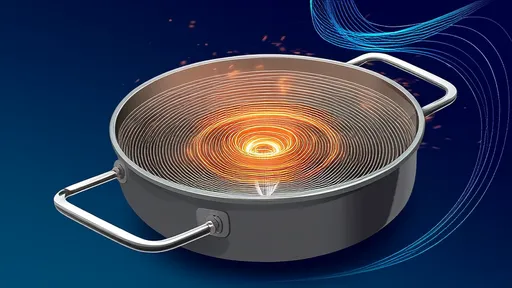
At the heart of FIR's interaction with food is the principle of resonant absorption. Molecules in food, such as water, proteins, fats, and carbohydrates, have natural vibrational frequencies that correspond to the energy of far-infrared waves. When FIR radiation encounters these molecules, it causes them to vibrate more intensely. This vibration increases the internal energy of the molecules, leading to a rise in temperature. However, unlike conduction or convection, which heat food from the outside in, FIR penetration allows for a more uniform and efficient heating process. It can reach several millimeters into the food surface, exciting molecules directly and reducing the gradient between the surface and the interior.
The excitation of water molecules is particularly crucial. Water is a dominant component in most foods, and its molecules are highly responsive to far-infrared radiation due to their dipole moment. The asymmetric stretching and bending vibrations of water molecules align closely with FIR wavelengths, resulting in efficient energy transfer. This not only facilitates rapid heating but also promotes evaporation from within the food, contributing to desired textures such as a crispy exterior in grilled meats or a firm yet moist interior in vegetables. Moreover, this internal heating minimizes the risk of overcooking the surface while the inside remains undercooked, a common challenge in traditional grilling.
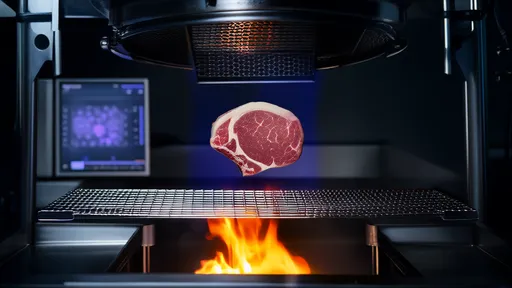
Proteins and fats also undergo significant transformations under FIR exposure. Proteins, which are complex chains of amino acids, denature and coagulate when heated. The resonant excitation by FIR can lead to more controlled denaturation, potentially preserving delicate structures and enhancing tenderness. In meats, this may result in better retention of juices and a more succulent final product. Fats, on the other hand, begin to render and break down. The deep penetration of FIR allows fat molecules to heat evenly, promoting thorough rendering without excessive surface burning. This can reduce the formation of harmful compounds like polycyclic aromatic hydrocarbons (PAHs), which are often associated with charring and flare-ups in grilling.
Beyond texture, the impact of far-infrared radiation on flavor development is profound. The Maillard reaction and caramelization, key processes responsible for the browning and complex flavors in cooked foods, are thermally driven. FIR's efficient and penetrating heat accelerates these reactions uniformly, leading to a richer and more consistent flavor profile. Additionally, the minimal need for excessive external charring helps preserve the natural tastes of the ingredients, allowing for a cleaner and more nuanced culinary experience. Some studies suggest that FIR might even enhance the release of volatile aromatic compounds, contributing to the enticing aroma associated with charcoal-grilled foods.
Nutritional aspects cannot be overlooked. The gentle yet effective heating of FIR may help in retaining heat-sensitive nutrients such as certain vitamins and antioxidants. By reducing cooking times and lowering the required surface temperatures, FIR minimizes nutrient degradation that often occurs with prolonged high-heat exposure. Furthermore, the reduction in harmful compound formation, as mentioned earlier, presents a healthier cooking alternative. This is especially relevant given growing consumer interest in both the sensory and health qualities of food.
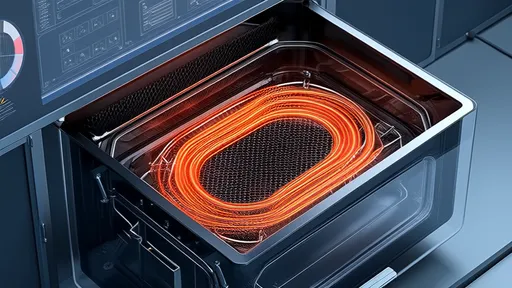
Practical applications of this knowledge are already emerging in the culinary world. Innovations in grill design now incorporate materials and elements that optimize far-infrared emission, such as ceramic briquettes or specialized heating plates. These technologies aim to harness the benefits of FIR for more consistent and high-quality results, whether in professional kitchens or backyard barbecues. Understanding the science behind charcoal's radiant heat allows chefs and enthusiasts to make informed choices about cooking methods, temperatures, and timing, elevating the art of grilling to a new level of precision.
In conclusion, the analysis of charcoal's radiant heat spectrum reveals far-infrared radiation as a key player in the cooking process. Its ability to excite food molecules through resonant absorption leads to improved heating efficiency, texture, flavor, and nutritional retention. As research continues to unravel the complexities of this interaction, we can expect further advancements in cooking technology and techniques, all driven by a deeper appreciation of the science behind the flame. The timeless tradition of charcoal grilling, it seems, is as much about molecular excitement as it is about culinary passion.
By /Aug 29, 2025
By /Aug 29, 2025

By /Aug 29, 2025

By /Aug 29, 2025
By /Aug 29, 2025
By /Aug 29, 2025

By /Aug 29, 2025

By /Aug 29, 2025
By /Aug 29, 2025
By /Aug 29, 2025
By /Aug 29, 2025

By /Aug 29, 2025

By /Aug 29, 2025

By /Aug 29, 2025
By /Aug 29, 2025
By /Aug 29, 2025
By /Aug 29, 2025
By /Aug 29, 2025

By /Aug 29, 2025
By /Aug 29, 2025